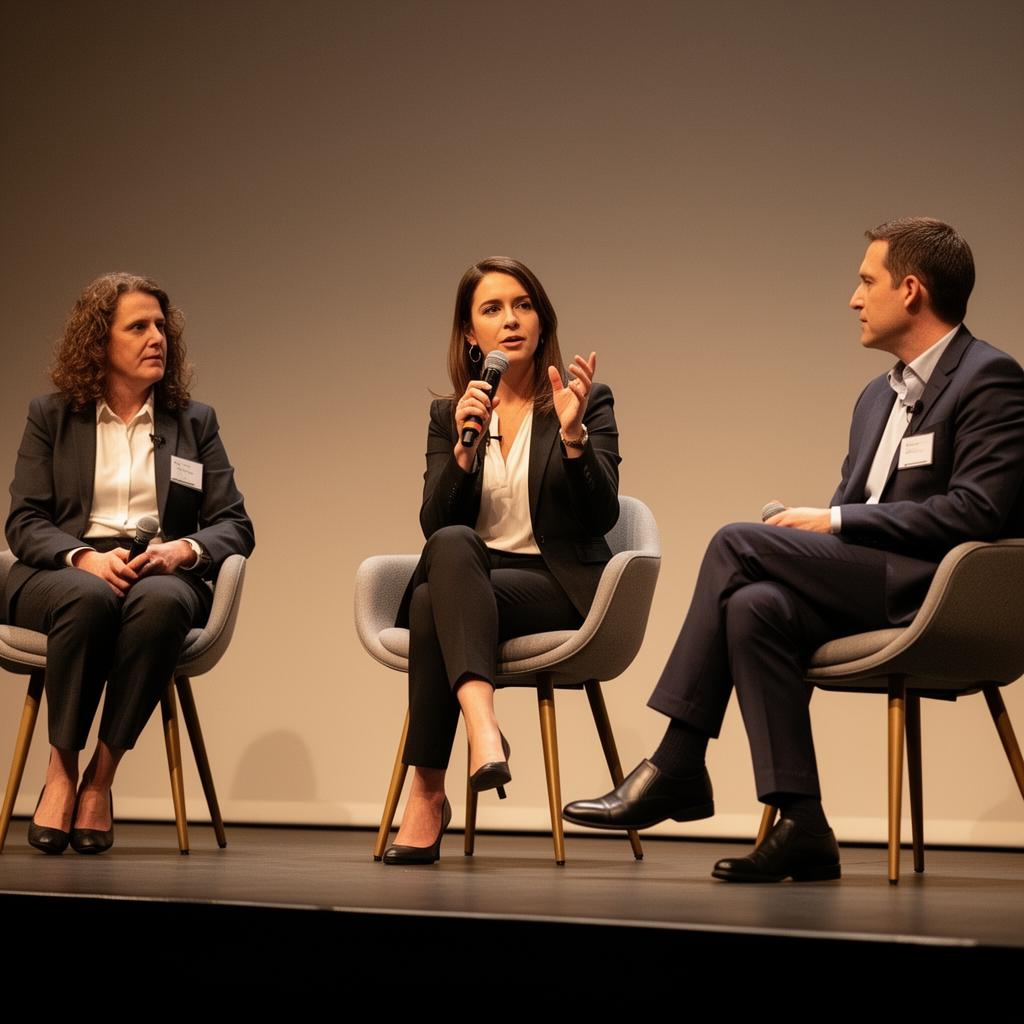
You can feel when a panel is losing the room.
It usually happens quietly.
Answers get longer.
Energy drops.
People stop reacting.
Speakers repeat the same point in different words.
And the audience becomes polite instead of engaged.
The strange part is:
sometimes the speakers are actually very good.
But the conversation has no movement.
No rhythm.
No tension.
No real interaction.
And that changes everything.
Because people don't connect to information first.
They connect to attention.
To energy.
To conversations that feel alive.
That's what strong moderation does.
Not controlling the room.
Holding the room.
Most business conversations become too careful
People stop listening
when conversations stop feeling real.
You see it on panels all the time.
Everyone waits politely for their turn.
Nobody really challenges anything.
Questions sound prepared instead of real.
And after a while,
the audience stops listening emotionally.
Because once a conversation becomes predictable,
people disconnect from it.
A strong moderator shifts the energy.
They create movement.
Curiosity.
Focus.
Not by speaking more,
but by knowing where the real conversation actually is.
What good moderation changes
People listen differently.
The room becomes more present and responsive.
Speakers become more natural.
They stop delivering answers and start having conversations.
The audience stays engaged.
Because the discussion feels alive instead of managed.
A conversation needs both structure and spontaneity.
Too much structure,
and everything feels rehearsed.
Too much spontaneity,
and the conversation loses direction.
Good moderation lives somewhere in the middle.
Knowing when to go deeper.
When to interrupt.
When to move forward.
When the room needs more energy.
And when silence is actually useful.
Because great conversations are rarely perfectly polished.
They feel human.
And that's why people remember them.
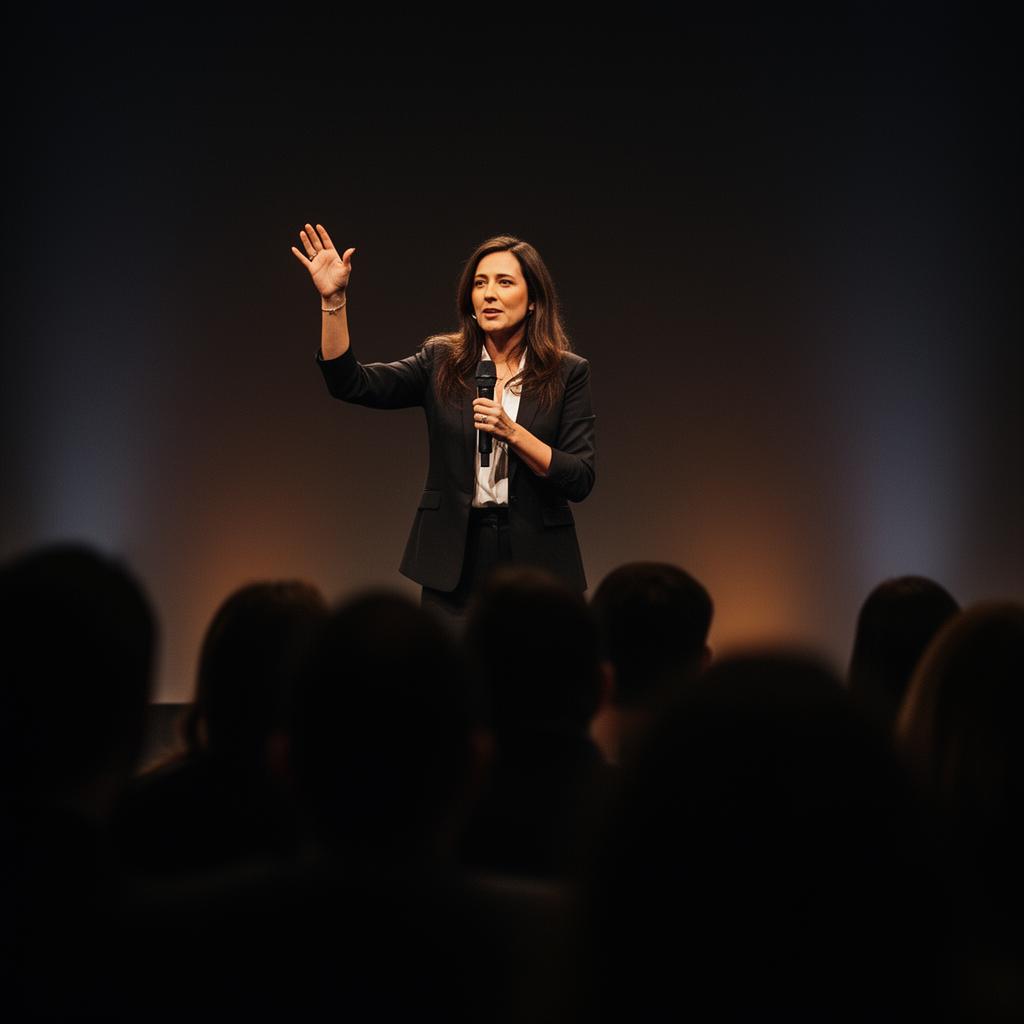
What people usually remember afterwards
Not the perfect sentence.
Not the polished answer.
People remember how the conversation felt.
The room stayed engaged.
Because the discussion kept moving naturally instead of becoming repetitive or over-managed.
Speakers felt more human.
They stopped delivering prepared answers and started reacting to each other in real time.
The conversation felt easy to follow.
There was clarity, rhythm, movement and space for real interaction.
The discussion had momentum.
People stayed emotionally present because the energy in the room kept evolving.
What people usually remember afterwards
Not the perfect sentence.
Not the polished answer.
They remember that the conversation felt easy to follow.
That the room stayed engaged.
That the speakers felt more human.
That the discussion had momentum.
They remember how the event made them feel.
And in live conversations,
that matters more than most people realize.
Trusted by teams and organizations including
What people often say afterwards
"She brought a calm energy that completely changed the flow of the discussion."
The conversation felt natural, focused and genuinely engaging from beginning to end.
— Conference Partner
"The conversation felt structured without feeling controlled."
The panel became more dynamic, more human and much easier for the audience to follow.
— Executive Events Lead
"She kept both the audience and speakers genuinely engaged throughout."
There was clarity, rhythm and real interaction instead of prepared answers.
— International Forum Organizer
Why this matters
Because audiences notice more than we think.
They notice when speakers disconnect from each other.
When questions feel artificial.
When energy drops.
When a conversation starts sounding performative instead of real.
And once attention disappears,
it's very hard to bring it back.
That's why moderation is not just about asking questions.
It shapes how people experience the entire event.
Podcast
The conversations
behind communication.
A podcast about
human behavior,
presence,
clarity,
fear,
confidence,
storytelling,
and the moments that shape the way we speak.
Not communication as performance.
Communication as real life.
If your event needs more than someone holding a microphone —
but someone who can hold the conversation:
For conferences, leadership discussions, panels and international events.